‘Interview with the Vampire's Forgotten Horror Sequel Becomes an Overnight Smash on Streaming
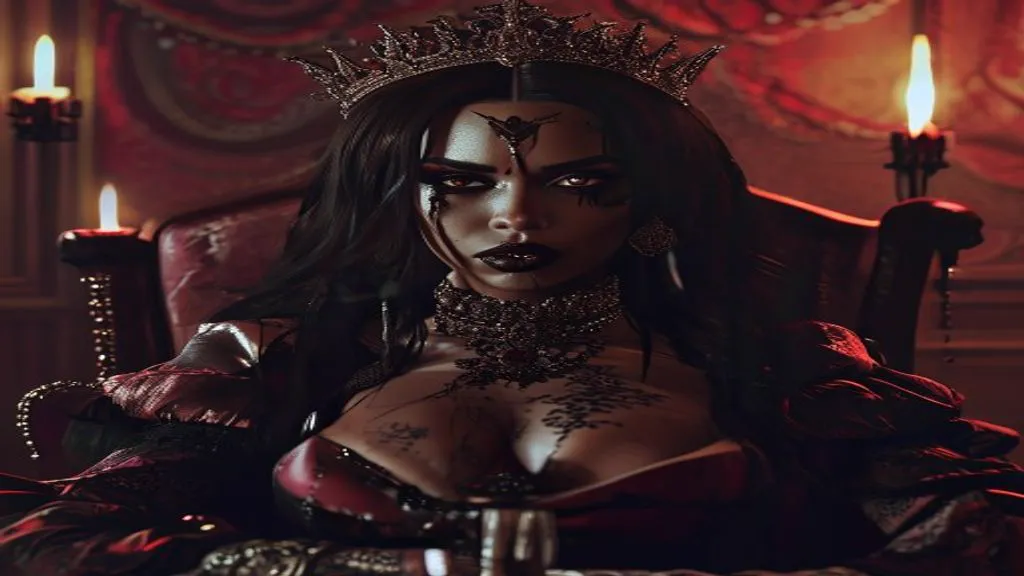
There's nothing quite like the thrill of a forgotten gem rising from the cinematic graveyard, particularly when that graveyard is the vast, ever-shifting landscape of streaming services. And right now, the film sending shivers down spines and generating serious buzz across social feeds is none other than *Queen of the Damned*, the much-maligned, often-misunderstood sequel to the iconic *Interview with the Vampire*. For two decades, it languished in the shadow of its predecessor, a gothic curiosity at best, a disastrous misstep at worst. But something has shifted. Suddenly, this rock-opera horror flick, once dismissed as a messy adaptation, is not just being watched, but being celebrated by a new generation of genre fans, making it an undeniable overnight smash.
How does a film that once held a paltry 17% on Rotten Tomatoes become a trending topic and a must-watch curiosity? The answer lies in a fascinating confluence of nostalgia, the unique nature of streaming algorithms, and perhaps, a re-evaluation of its audacious, if flawed, vision. As we dive deep into the world of Lestat's rockstar comeback and Akasha's ancient terror, it's clear that *Queen of the Damned* was never truly forgotten, just waiting for the right moment to truly shine in the moonlight.
The Undead Rise: Why Now for Queen of the Damned?
The journey of *Queen of the Damned* from critical lambasting to streaming sensation is a compelling case study in film re-evaluation. Released in 2002, nearly eight years after Neil Jordan’s critically acclaimed *Interview with the Vampire*, the film faced an uphill battle from the start. Where *Interview* was a brooding, introspective character study, *Queen of the Damned* burst onto screens as a loud, unapologetic gothic rock spectacle. It swapped the intimate confessionals for stadium concerts and ancient vampire politics, powered by a nu-metal infused soundtrack curated by Korn's Jonathan Davis. This tonal whiplash, combined with the impossible task of adapting two complex Anne Rice novels (*The Vampire Lestat* and *Queen of the Damned*) into a single 101-minute film, proved too much for contemporary critics and many fans of the source material.
Fast forward to today. The streaming ecosystem is a fertile ground for cult classics and overlooked genre pieces. Services like Netflix, Max, and Hulu continually cycle through vast libraries, exposing films to audiences who might never have sought them out in a video store or on cable. Anecdotal evidence, backed by reports from various entertainment tracking sites, indicates a significant surge in viewership for *Queen of the Damned* across multiple platforms over the past few months. While specific proprietary data remains under wraps, the sheer volume of social media discussions, fan art, and critical reappraisals is a clear indicator of its renewed popularity. It’s a phenomenon ArcadiumGG has been tracking across several other "forgotten" genre titles, but the scale of *Queen of the Damned*'s resurgence is particularly striking.
From Critical Misfire to Cult Classic: A Second Bite at the Apple
The initial reviews were brutal. Critics slammed its convoluted plot, Stuart Townsend's portrayal of Lestat (especially when compared to Tom Cruise's iconic performance), and its often campy aesthetics. Yet, even back then, there were whispers of appreciation for its unique style, Aaliyah's mesmerizing performance as Akasha, and its unapologetic embrace of its gothic sensibilities. This duality is precisely what makes a cult classic: a film that, despite its perceived flaws, resonates deeply with a specific, passionate audience.
The digital age has amplified this phenomenon. Online communities, forums, and TikTok have become powerful engines for unearthing and championing films that might have been dismissed in a pre-internet era. Younger audiences, less burdened by the initial critical discourse or direct comparisons to *Interview with the Vampire*, are approaching *Queen of the Damned* with fresh eyes. They appreciate its commitment to its aesthetic, its killer soundtrack, and its bold reimagining of vampire lore as a rock 'n' roll fantasy.
The Heart of Darkness: Unpacking Queen of the Damned's Allure
So, what exactly is it about *Queen of the Damned* that's captivating audiences now? It's more than just a passing curiosity; there's a genuine affection developing for its audacious vision.
Aaliyah's Haunting Legacy: Akasha's Unforgettable Presence
Perhaps the most poignant and enduring aspect of *Queen of the Damned* is Aaliyah's performance as Akasha, the ancient vampire queen. Tragically, she passed away in a plane crash just six months before the film's release, lending an almost mythical, ethereal quality to her on-screen presence. Aaliyah embodies Akasha with a terrifying grace and sensual power, making her both menacing and alluring. Her movements are fluid, her gaze piercing, and her delivery of ancient wisdom utterly captivating. For many, she *is* the Queen of the Damned, and her performance stands as a powerful testament to her talent, adding an undeniable, bittersweet weight to every frame she graces.
Her portrayal, despite limited screen time, left an indelible mark. She captured the essence of an ancient, vengeful deity, far removed from human morality. This portrayal has garnered significant praise in retrospective analyses, with many arguing that she almost single-handedly elevates the film. Her legacy, interwoven with the film's release, continues to draw new viewers keen to witness her final, iconic role.
Lestat's Rock Star Reinvention: Vampire as Icon
While Stuart Townsend had the unenviable task of following Tom Cruise, his Lestat is a distinctly different beast. Cruise's Lestat was a charming, manipulative, but ultimately tragic figure. Townsend's Lestat is a flamboyant, nihilistic rock star, yearning for fame and connection in a world that has forgotten true horror. His transformation into a global sensation, openly declaring his vampiric nature to the world through his music, is a radical departure from Rice's more subtle, hidden world of the undead. This audacity, initially scoffed at, now feels prescient in an era where celebrity culture reigns supreme, and the line between myth and reality is constantly blurred.
The film delves into Lestat's existential ennui, his desire to escape the loneliness of immortality through public adoration. His music, with its dark, confessional lyrics, acts as both a lure and a truth-telling device, awakening not only other vampires but also the ancient Akasha herself. This fusion of horror and rock opera, while divisive, gives the film a unique identity within the vampire genre, setting it apart from its more traditional counterparts.
The Nu-Metal Soundtrack: A Time Capsule of Early 2000s Angst
The soundtrack of *Queen of the Damned* is arguably its most defining feature, and a major draw for modern audiences. Curated and largely performed by Jonathan Davis of Korn, with additional contributions from other prominent metal vocalists (Chester Bennington, Marilyn Manson, David Draiman), it's a quintessential snapshot of early 2000s alternative and nu-metal. The blend of gothic lyrics, heavy guitars, and orchestral elements perfectly encapsulates the film's aesthetic. While some critics found it jarring, it’s precisely this specific, time-locked sound that now appeals to audiences nostalgic for the era, or those discovering its raw energy for the first time.
The music isn't just background noise; it's integral to the plot, serving as Lestat's voice and the catalyst for Akasha's awakening. This symbiotic relationship between film and music is a strong pull for those who appreciate a cohesive artistic vision, even if it leans heavily into a particular subgenre. The album itself achieved considerable success, becoming a cult item long before the film's streaming resurgence.
Gothic Aesthetics and Undeniable Camp
*Queen of the Damned* embraces its gothic roots with unbridled enthusiasm. From the opulent, darkly romantic costumes to the elaborate sets of Lestat's mansion and Akasha's ancient tomb, the film is a feast for the eyes for anyone drawn to the darker side of fantasy. There's an undeniable camp sensibility, particularly in some of the over-the-top vampire deaths and the theatricality of Akasha's reign. This willingness to lean into its own absurdity, rather than shying away from it, is something modern viewers often appreciate. In an age saturated with grim, "realistic" reboots, *Queen of the Damned*'s commitment to its lavish, melodramatic style feels refreshing and authentic to its specific time and place in cinematic history.
Beyond the Fang: The Broader Cultural Context
The resurgence of *Queen of the Damned* also speaks to a broader cultural fascination with vampires. From the recent success of the *Interview with the Vampire* TV series on AMC to the ongoing popularity of *What We Do in the Shadows*, the undead are having a moment. Audiences are hungry for fresh takes on classic lore, but also for diverse interpretations that span the spectrum from horror to comedy, and from introspective drama to flamboyant spectacle. *Queen of the Damned* fills a unique niche within this renewed interest, offering a specific brand of early-2000s gothic angst that is distinct from its contemporaries.
Moreover, the rise of "anti-establishment" or "rebellious" genre films finding their audience years later is a testament to the democratizing power of streaming. No longer are films solely defined by their opening weekend box office or their initial critical reception. They have a prolonged life, a chance to find their people, even if those people constitute a passionate minority. *Queen of the Damned* is a prime example of a film that was ahead of its time in some aspects, and perhaps simply misunderstood by its initial audience, finally getting its due.
- *Queen of the Damned*'s streaming surge highlights the power of digital platforms to resurrect overlooked genre films.
- Aaliyah's iconic, tragic performance as Akasha remains a compelling draw and a key factor in the film's re-evaluation.
- The film's distinct nu-metal soundtrack and gothic rock opera aesthetic appeal strongly to nostalgic and new audiences alike.
- Its audacious take on vampire lore, featuring a rockstar Lestat, offers a unique counterpoint to more traditional undead narratives.
- The film's embrace of camp and its unique vision are being appreciated by a generation less constrained by initial critical discourse.
The streaming era isn't just about discovering new content; it's a vast, eternal crypt where forgotten films are given a second life. *Queen of the Damned* proves that sometimes, a movie just needs a few decades and the right digital spotlight to truly bare its fangs and claim its cult classic status.
The Verdict
*Queen of the Damned* is not a perfect film. It’s messy, ambitious to a fault, and a far cry from the nuanced storytelling of its predecessor. Yet, in its flaws, it finds a unique, irresistible charm. Its commitment to its gothic rock opera vision, Aaliyah's haunting performance, and its unapologetic early 2000s aesthetic have coalesced into something far more potent than its initial reception suggested. It’s a film that demands to be experienced, not just critically dissected. For those seeking a dose of flamboyant vampirism, a killer soundtrack, and a movie that dared to be different, *Queen of the Damned* has risen from the ashes, an undisputed overnight smash on streaming. Don't be surprised if Lestat's metallic wail echoes across your living room soon – he’s back, and he’s louder than ever.