Machibari's 'Aishiteru, Ore to Issho ni Shinde Kure' Novel Gets Manga Adaptation
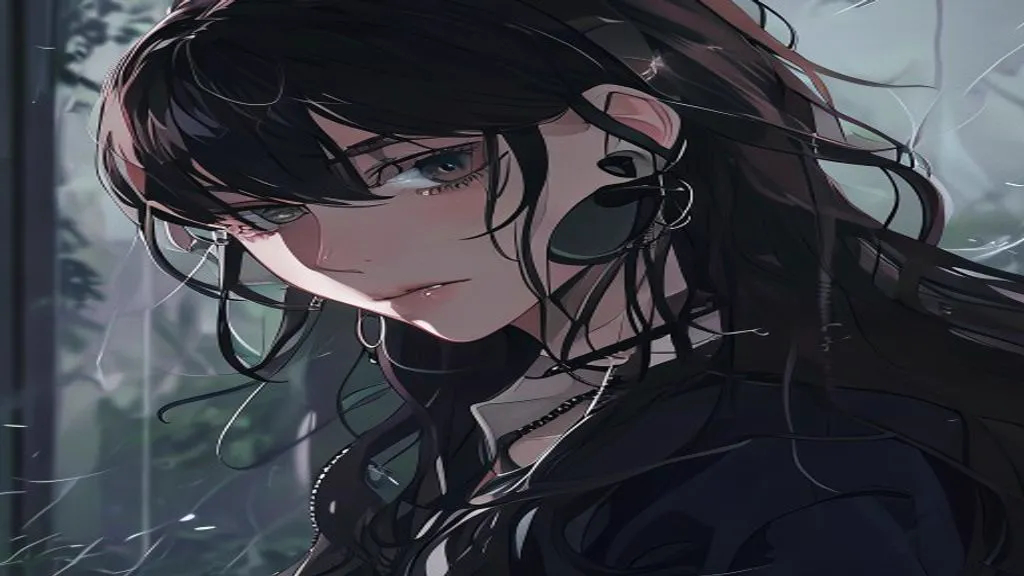
Hold onto your hearts, fellow culture enthusiasts, because a seismic shift is rumbling through the manga world! A gripping, emotionally charged narrative that has captivated readers in its original prose form is now officially making the leap to sequential art: Machibari’s profoundly titled novel, "Aishiteru, Ore to Issho ni Shinde Kure" — which translates to the haunting and unforgettable "I Love You, Please Die With Me" — is set to receive a full-fledged manga adaptation! This isn't just another adaptation; it’s a commitment to bringing a story steeped in intense emotion, psychological depth, and complex human relationships to a new, eager audience.
For those familiar with Machibari's literary prowess, this news will undoubtedly ignite a potent cocktail of excitement and anticipation. Known for narratives that bravely venture into the intricate, often unsettling landscapes of the human psyche, Machibari has cultivated a reputation for unflinching honesty and intricate character work. The novel "Aishiteru, Ore to Issho ni Shinde Kure" itself is no exception, having garnered significant critical discussion and a dedicated following for its raw exploration of love pushed to its absolute limits, grappling with themes of codependency, despair, and the ultimate sacrifice.
The journey from novel to manga is always fraught with challenges and opportunities. It’s a delicate dance of interpretation, where the visual artist must not only honor the source material but also imbue it with their own unique style and understanding, translating internal monologues into evocative panels and subtle character expressions. Given the intense nature of Machibari's work, the chosen manga artist will face the monumental task of visually articulating the novel’s deeply unsettling yet compelling premise, ensuring that the essence of "I Love You, Please Die With Me" resonates with the same emotional gravitas in its new format. ArcadiumGG is here to break down what this means for readers, the industry, and the very art of adaptation.
Decoding the Title: A Premise of Profound Depths
Let's not beat around the bush; the title alone, "Aishiteru, Ore to Issho ni Shinde Kure", is a narrative in itself. "I Love You, Please Die With Me" isn't a whimsical phrase; it's a declaration of ultimate, perhaps unhealthy, devotion, hinting at a story that will pull no punches. This isn't a lighthearted romance or a simple slice of life. It immediately signals a narrative steeped in melodrama, psychological tension, and a profound exploration of human attachment at its most extreme.
The Whispers of a Dark Romance
The premise inferred from the title suggests a narrative where love and despair are inextricably intertwined. We can anticipate themes revolving around intense codependency, the ultimate desire for connection, and perhaps even a tragic fate that binds two souls together. This isn't just about romantic love; it's about the kind of love that defines, consumes, and potentially destroys. It will likely delve into the characters' inner turmoil, their past traumas, and the circumstances that have led them to such a desperate, all-encompassing bond. The manga adaptation will need to carefully balance the inherent darkness with the undeniable emotional pull, ensuring that the story remains compelling without glorifying its more unsettling undertones. We expect a narrative that challenges the reader, forcing them to confront uncomfortable questions about the nature of sacrifice, freedom, and the societal pressures that can drive individuals to such extreme expressions of love.
Machibari's Literary Landscape (Speculative)
While specific details about Machibari’s previous works might not be readily available, the very fact that a novel with such a provocative title is being adapted speaks volumes about the author's standing. It suggests Machibari is a novelist who doesn't shy away from mature, complex themes, likely having a track record of crafting narratives rich in character development and emotional resonance. Their work probably appeals to an audience that appreciates literature that grapples with existential questions, mental health, and the darker facets of human relationships. This background implicitly sets a high bar for the manga, demanding an adaptation that truly understands and respects the intricate world Machibari has created, ensuring that the transition from intricate prose to visual storytelling loses none of its original impact. The expectation is for a story that is not just dramatic, but psychologically astute, offering deep insights into its characters' motivations.
The Art of Adaptation: Bringing Prose to Panels
The conversion of a novel, especially one so reliant on internal thought and emotional nuance, into a manga is an art form in itself. It requires a meticulous understanding of both mediums and a visionary approach to storytelling.
The Artist's Burden and Blessing
The unnamed manga artist stepping up to this challenge has both an incredible opportunity and an immense responsibility. They will be the architect of the visual world of "I Love You, Please Die With Me," tasked with defining the characters' appearances, their body language, the atmospheric settings, and the pacing of emotional beats. For a story with such profound psychological undertones, the artist's style will be paramount. Will it be stark and realistic, emphasizing the harshness of reality? Or will it be more symbolic and abstract, to convey the internal turmoil? The use of panel layouts, shading, character expressions, and even the subtle details in their eyes will be crucial in communicating the depth of despair and the intensity of love without relying solely on dialogue or exposition. Imagine the challenge of illustrating moments of profound internal conflict, or the quiet desperation that often underlies explosive emotional outbursts. The right artist will be able to translate these intricate emotional landscapes into a visual language that is both poignant and powerful.
Navigating Sensitive Themes with Care
The themes suggested by the title, particularly those surrounding death and intense emotional dependency, require a delicate and responsible approach. The manga adaptation must navigate these waters with extreme sensitivity, ensuring that it portrays the complexities of its characters' struggles without inadvertently glorifying harmful behaviors. This means focusing on the emotional consequences, the underlying pain, and the difficult choices characters face, rather than presenting any act of self-harm or despair as a solution. Responsible storytelling will be key to its success, turning what could be perceived as controversial into a poignant exploration of the human condition and the desperate search for meaning and connection, even in the darkest of places. This careful handling will elevate the narrative beyond mere shock value, imbuing it with genuine pathos and thoughtful commentary.
What to Expect from the Visuals
Given the narrative’s likely gravity, ArcadiumGG anticipates an art style that leans towards the melancholic, detailed, and highly expressive. We'd expect character designs that convey deep emotional resonance, perhaps with subtle hints of fragility or intensity. Settings might be depicted with an oppressive beauty, or stark contrasts between light and shadow to emphasize emotional states. The visual storytelling will likely prioritize atmosphere and psychological realism, utilizing dramatic framing and dynamic layouts to heighten tension and emotional impact. Think of artists known for their ability to convey complex internal worlds through their illustrations – that's the caliber needed here. This could manifest as intricate background details that mirror the characters' emotional states, or a masterful use of color (or lack thereof) to set the mood for pivotal scenes. The visual aspect won't just illustrate the story; it will be an active participant in telling it.
The Market and the Audience: A Niche, Yet Powerful Appeal
The manga market is vast and diverse, but not all adaptations are created equal. The success of "I Love You, Please Die With Me" will depend heavily on its ability to carve out its unique space.
The Surge of Novel-to-Manga Adaptations
In recent years, the trend of adapting successful novels and light novels into manga has exploded. From fantasy epics like Mushoku Tensei and Re:Zero to more grounded dramas, publishers are increasingly looking to proven literary works to find their next big hit. This trend highlights a recognition of the rich storytelling potential within the novel format and a desire to bring these narratives to a broader, visually-oriented audience. However, while many adaptations cater to a younger, more escapist demographic, a title like "I Love You, Please Die With Me" signifies a growing appetite for mature, thought-provoking content that pushes boundaries and explores complex human experiences. It joins a smaller, but significant, cohort of adaptations that aim for emotional depth over genre tropes, often finding a loyal audience looking for more than just entertainment.
Targeting the Seinen/Josei Reader
Based on its intense themes, this manga adaptation is almost certainly aimed at a seinen (male adult) or josei (female adult) demographic. These categories are known for tackling mature subjects, complex interpersonal relationships, and often darker, more realistic narratives. Readers in these demographics actively seek out stories that challenge them, provoke thought, and offer a nuanced understanding of the human condition. "I Love You, Please Die With Me" promises to deliver exactly that: a narrative that doesn't offer easy answers but instead invites deep introspection and emotional engagement. Its success won't necessarily be measured in sheer volume of sales like a shonen juggernaut, but rather in critical acclaim, sustained readership, and its ability to spark meaningful discussions among its dedicated fanbase. This is the kind of title that builds a legacy, rather than just a fleeting trend.
Building Anticipation: The Fanbase Effect
The existing fanbase of Machibari's novel will serve as a crucial launchpad for the manga adaptation. These readers, already invested in the story and its characters, will be eager to see their beloved narrative brought to life visually. Their initial enthusiasm, discussions, and recommendations will be instrumental in generating buzz and attracting new readers who might not typically pick up a novel. Furthermore, the provocative title itself is a marketing tool, drawing curiosity from those intrigued by its intensity. As details about the artist, release schedule, and visual previews emerge, anticipation will only build, creating a fertile ground for a successful launch that capitalizes on both established loyalty and nascent curiosity. Social media will undoubtedly play a huge role here, as fans share their excitement and speculate on the adaptation's direction.
ArcadiumGG's Expert Commentary: A Risky, Yet Rewarding Endeavor
From an analytical standpoint, the adaptation of "Aishiteru, Ore to Issho ni Shinde Kure" represents both a calculated risk and a tremendous opportunity within the publishing landscape. The inherent sensitivity of its themes could be polarizing, yet its emotional depth offers the potential for profound storytelling that resonates deeply with a specific, highly engaged audience. The success will hinge not only on the artistic execution but also on the editorial guidance, ensuring the narrative remains true to Machibari's vision while being accessible and responsible in its visual portrayal.
The choice to adapt such a novel underscores a broader industry trend towards embracing more challenging, literary-focused content in manga form. It reflects a growing maturity in the medium, moving beyond purely escapist fantasies to explore the darker, more introspective corners of human experience. This move indicates that publishers are confident in the market's readiness for narratives that demand emotional investment and critical thought, rather than just passive consumption. For ArcadiumGG, this is a clear signal of an exciting evolution in the cultural landscape, pushing the boundaries of what manga can achieve as a storytelling platform.
- The manga adaptation of Machibari's novel "Aishiteru, Ore to Issho ni Shinde Kure" promises a deep, psychologically rich romance/drama.
- Its title, "I Love You, Please Die With Me," indicates a narrative exploring intense love, despair, and codependency.
- The adaptation faces the challenge of visually translating complex internal monologues and sensitive themes responsibly.
- It targets a mature seinen/josei demographic, seeking emotionally profound and thought-provoking narratives.
- This adaptation reflects a growing industry trend towards bringing literary depth to the manga medium.
The inherent power of "Aishiteru, Ore to Issho ni Shinde Kure" lies in its audacity to confront the most extreme facets of human connection. The manga adaptation, if handled with the necessary artistic mastery and thematic sensitivity, has the potential to transcend genre, becoming a touchstone for discussions on love, loss, and the boundaries of human attachment, cementing its place as a truly impactful work in the medium.
The Verdict
The news of Machibari’s "Aishiteru, Ore to Issho ni Shinde Kure" receiving a manga adaptation is incredibly exciting, even if it comes with the weight of its profoundly serious themes. This isn't just another series to add to your reading list; it’s an invitation to delve into a narrative that promises to be as challenging as it is captivating. The success of this adaptation will be a testament to the chosen artist's ability to translate profound prose into compelling panels and the publishing team's commitment to responsible, impactful storytelling. ArcadiumGG believes that for readers yearning for narratives that dare to explore the intense, often unsettling beauty of human emotion, this manga adaptation is poised to be an unmissable experience. Prepare for a story that will undoubtedly stay with you long after the final page.